
RECIPES · BBQ SAUCE
Basic BBQ Sauce Recipes: Kansas City, Carolina, and Texas Style
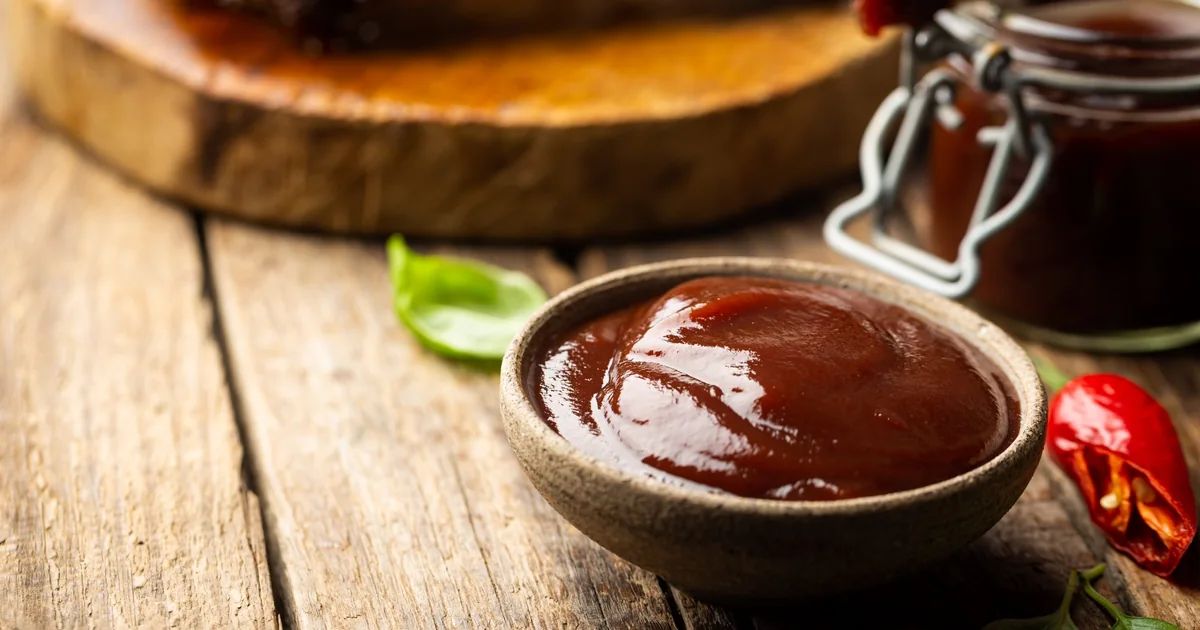
These three regional styles start from different bases: tomato and sugar in Kansas City, mustard and vinegar in South Carolina, and broth with pepper in a Texas mop. Adjust the sweetness, tang, and heat to your taste.
Three bases, three regions
Regional BBQ sauce styles differ mainly in their base ingredient. Kansas City style builds on tomato and sugar. Carolina style, especially in South Carolina, builds on mustard. Texas style stays thin and peppery, often tomato-light or tomato-free, meant to baste meat during the cook rather than coat it afterward. These are general style names, not any single restaurant’s or author’s proprietary recipe.
Kansas City Style
Thick, sweet, and tangy, the style most people picture when they hear "barbecue sauce."
| Ingredient | Amount |
|---|---|
| Ketchup | 1 cup |
| Brown sugar | 1/3 cup |
| Apple cider vinegar | 2 tbsp |
| Worcestershire sauce | 1 tbsp |
| Smoked paprika | 1 tsp |
| Garlic powder | 1 tsp |
| Black pepper | 1/2 tsp |
Combine everything in a saucepan over medium-low heat, whisk until smooth, and simmer for 10 to 15 minutes, stirring occasionally, until it thickens slightly.
Carolina Style (Mustard-Based)
Tangy and sharp rather than sweet, the signature sauce of South Carolina barbecue and a natural match for pulled pork.
| Ingredient | Amount |
|---|---|
| Yellow mustard | 1 cup |
| Apple cider vinegar | 1/4 cup |
| Brown sugar | 3 tbsp |
| Butter | 1 tbsp |
| Worcestershire sauce | 1 tsp |
| Cayenne pepper | 1/4 tsp |
| Black pepper | 1/4 tsp |
Combine in a saucepan over low heat, whisk until the butter melts and everything is smooth, and simmer 5 to 10 minutes. This sauce does not need to thicken much; it stays pourable.
Texas Style (Thin Mop Sauce)
Thin and peppery on purpose, meant for basting brisket or beef during the cook rather than serving as a table sauce.
| Ingredient | Amount |
|---|---|
| Beef broth | 1 cup |
| Apple cider vinegar | 1/4 cup |
| Worcestershire sauce | 2 tbsp |
| Coarse black pepper | 1 tbsp |
| Kosher salt | 1 tsp |
| Cayenne pepper | Pinch |
Whisk everything together cold; no cooking required. Apply with a mop or spray bottle during the cook to add moisture and flavor to the surface, not as a finishing sauce.
Storage and make-ahead
- Kansas City and Carolina styles keep for 3 to 4 days refrigerated at 40°F or below in a sealed container. This conservative limit follows USDA leftover-storage guidance; it is not a tested shelf life for these recipes.
- Texas-style mop contains beef broth. Refrigerate it at 40°F or below and use it within 3 to 4 days; shake it before use if it separates.
- Make all three a day ahead. Refrigerate promptly. Set aside clean sauce before basting; do not pour used mop back into the storage container. Follow any shorter ingredient-label storage limit.
Pair a sauce with a matching rub: Carolina Gold rub goes with the mustard-based Carolina sauce, for instance. See best pulled pork rub recipes for the rub side of that pairing.
Common BBQ sauce questions
What is the difference between Kansas City and Carolina BBQ sauce?
Kansas City style is tomato-based, thick, and sweet. Carolina style, especially in South Carolina, is mustard-based, thinner, and tangier rather than sweet.
What is Texas-style BBQ sauce?
A thin, peppery, often tomato-light sauce meant to be used as a mop or baste during the cook rather than a thick sauce served at the table.
How long does homemade BBQ sauce last?
Use a conservative 3-to-4-day refrigerator limit for these homemade mixes, including the beef-broth mop. Keep them at 40°F or below in a sealed container. Follow any shorter ingredient-label storage limit. Freeze extra sauce if you need to keep it longer.
Can I make BBQ sauce ahead of time?
Yes. Make them a day ahead and refrigerate promptly at 40°F or below. Use within 3 to 4 days, and follow any shorter ingredient-label storage limit.
Sources and safety guidance
The sources below cover food safety. Cooking times and tenderness targets are practical barbecue guidance; check the meat as it cooks.
- Leftovers and Food SafetyUSDA Food Safety and Inspection ServiceRefrigerate leftovers within 2 hours of cooking, or 1 hour when the temperature is above 90°F, at 40°F or below. For large roasts, cut or slice into smaller parts and use shallow containers for rapid cooling; hot food can go directly into the refrigerator; use within 3 to 4 days and reheat to 165°F.
Related guides
Best Pulled Pork Rub Recipes: 3 to Try
Three pulled pork rub recipes: a classic Memphis sweet-and-smoky blend, a Magic Dust style all-purpose rub, and a Carolina Gold mustard-forward version.
Read the guideBest Brisket Rub Recipes: 3 to Try
Three brisket rub recipes: a classic Texas salt-and-pepper, a competition SPG blend, and a coffee bark version. Exact ratios, scaled for a 12 lb brisket.
Read the guidePork Butt Finish Temp: When Is Pulled Pork Done?
Pork butt is done for pulled pork at about 205°F internal. The pit temperature, probe and bone tests, the stall, timing, and rest.
Read the guide