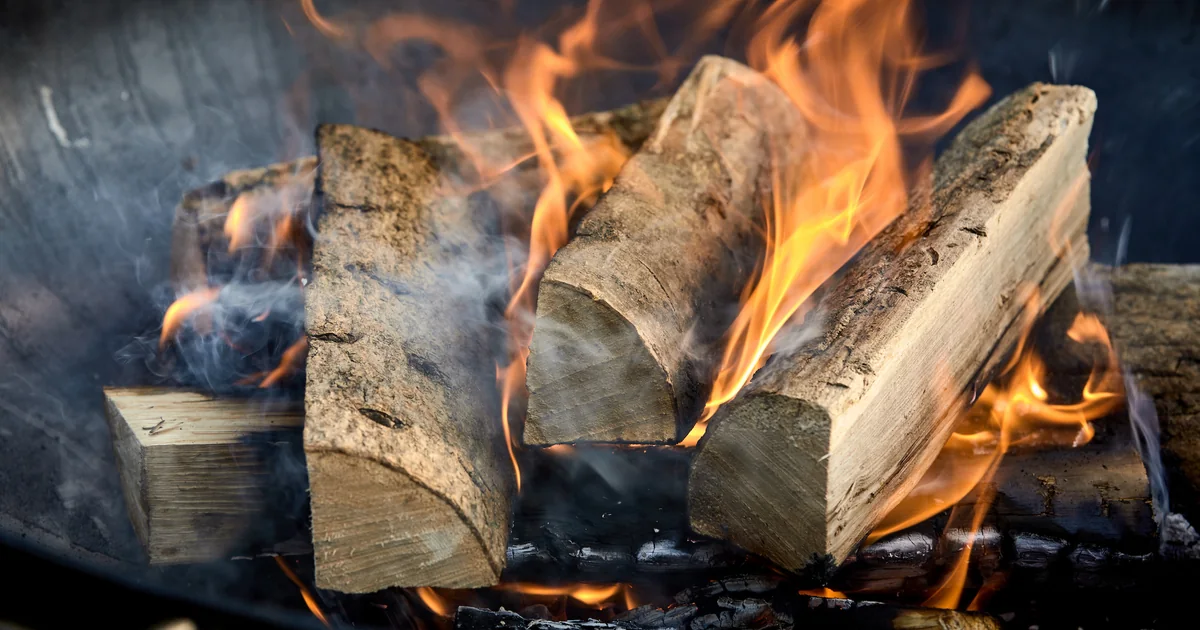
Choose the fuel form first. Charcoal, cooking pellets, and wood splits feed different fires; chunks and chips usually add smoke over another heat source.
Disclosure: As an Amazon Associate, Pitwright earns from qualifying purchases. Recommendations remain based on cook-day fit, not commission.
Recommendations here come from manufacturer information and product research, not hands‑on testing.
Match the fuel to the fire
CHARCOALFor a kettle, bullet, drum, or kamado, use the lump or briquettes allowed by its manual. Briquette shape helps with a connected snake; irregular lump pieces need a different layout.
PELLETUse cooking pellets that meet the grill’s fuel requirements. Check the hopper before a long cook; bag weight alone does not give the runtime.
OFFSETChoose cooking splits that fit the firebox with airflow around them. Dryness and piece size affect how readily the next split catches.
CHUNKS AND CHIPSCharcoal cookers commonly use chunks for flavor; gas and electric smokers may use a chip tray or box. Follow the manual’s form and load limit. The starter guide already covers this gear.
Charcoal and pellet recommendations, plus split-buying criteria
Check compatibility, bag size, delivered cost, and the current seller. Split supply is local enough that a search remains useful.
Kingsford Original briquettes, 16-pound bag
A specific starting option for a kettle snake or charcoal basket when the cooker permits briquettes. This link is for Original charcoal, not Match Light or a flavored version.
GOOD FORCharcoal cookers where a repeatable fuel layout matters. Use the basket and lighting guidance for your model.
LOOK FORCompare bag weight and delivered cost, and keep extra fuel ready for a long cook.
SKIP IFYour cooker manual requires lump charcoal, or you use a pellet hopper.
Hickory, maple, and cherry cooking pellets for a pellet grill that accepts this fuel. Traeger lists a 20-pound bag on its product page.
GOOD FORAn auger-fed cooking-pellet system. Follow the grill manual for compatibility and keep the pellets dry.
LOOK FORThe selected bag size and seller. Amazon also lists an 18-pound variant; this 20-pound listing may show third-party buying options instead of a featured offer.
AVOIDHeating pellets, loose chips, charcoal, or chunks in the hopper. This blend gives you less control over the wood species than a single-wood option.
For an offset that burns wood as its main fuel, shop by split length and thickness before wood species. A small firebox needs smaller pieces that can catch on the coal bed.
LOOK FORDry hardwood sold for cooking, sized to leave airflow around the fire. Compare a nearby supplier with shipped boxes; freight can dominate the cost.
AVOIDTreated or painted lumber and assuming a chunk bag is the same as offset fuel. This search is a fallback because split sizes and local supply vary.