
TECHNIQUE · WOOD AND SMOKE
Best Wood for Smoking Meat, by Cut
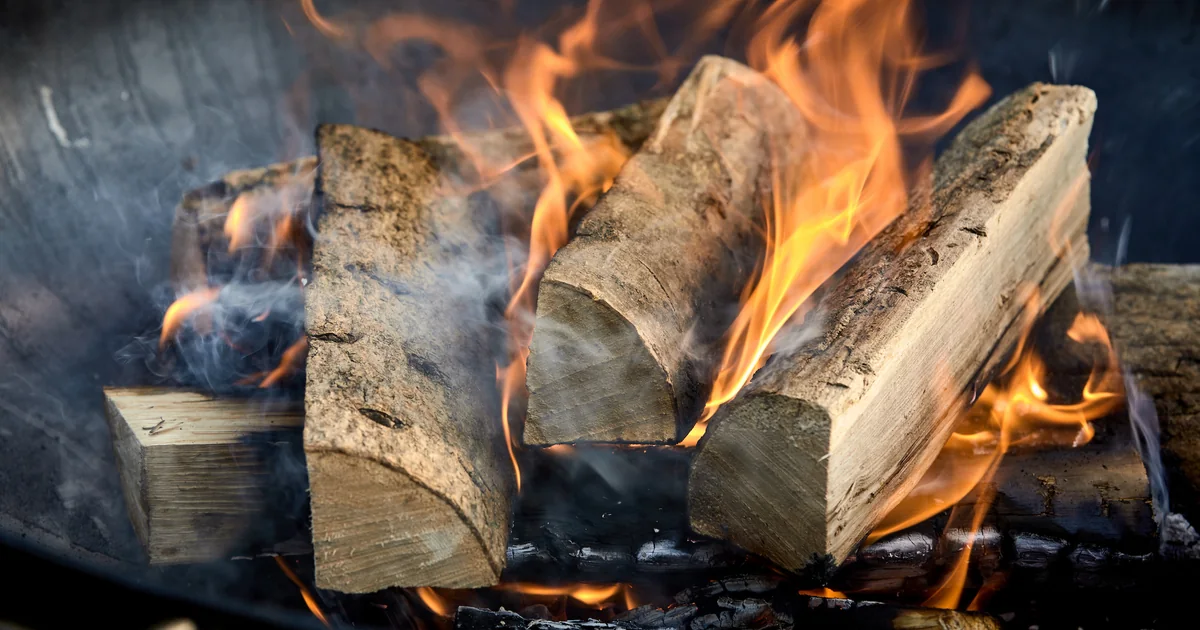
Temperature and time matter more than wood, but a strong smoke can overwhelm a mild cut. These pairings match the strength of the wood to the meat and the length of the cook.
Strong woods vs mild woods
Smoking woods range from strong to mild. Post oak, hickory, and mesquite can dominate a dish if overused, while fruit woods add a lighter smoke. Long, fatty cuts such as brisket can carry a stronger wood across twelve-plus hours. Salmon and other delicate cuts need a lighter hand.
The smoked salmon temperature guide covers the cut where that mild-wood rule matters most.
| Strength | Woods | Best used with |
|---|---|---|
| Strong | Post oak, hickory, mesquite | Beef, pork shoulder, long cooks |
| Medium | Pecan, oak (red or white) | Most cuts, a safe all-purpose pick |
| Mild / fruit | Cherry, apple, alder | Poultry, pork ribs, fish, shorter cooks |
Wood by cut
Use this pairing for each classic smoker cut, based on cook length and fat content.
| Cut | Recommended wood | Why |
|---|---|---|
| Brisket | Post oak | A long, fatty cook that can carry strong smoke for 12+ hours without turning bitter |
| Beef plate ribs | Post oak | Rich, fatty beef holds up to bold smoke |
| Chuck roast | Oak or hickory | A long cook that benefits from a stronger backbone of smoke |
| Tri-tip | Red oak or cherry | A shorter, leaner cook where a slightly milder or fruitier note works well |
| Pulled pork (pork butt) | Hickory or apple | Classic pairing; hickory for punch, apple for a sweeter, milder profile |
| Baby back ribs | Cherry + hickory | A blend balances color and a lighter, sweeter smoke for a quicker cook |
| St. Louis ribs | Hickory or cherry | Meatier ribs can take a touch more smoke than baby backs |
| Spare ribs | Hickory or apple | The untrimmed rack; apple keeps a mild, sweet pork-rib smoke |
| Pork belly burnt ends | Cherry + apple | Fruit woods complement the sweetness of the glaze and rendered fat |
| Pork tenderloin | Apple or cherry | Lean and quick-cooking; needs a light touch |
| Smoked chicken | Cherry or pecan | Mild woods avoid overpowering poultry’s delicate flavor |
| Smoked turkey | Cherry + apple | A sweeter, milder profile that suits a big holiday bird |
| Chicken wings | Cherry or pecan | Short cook, mild wood, crisped over higher heat at the end |
| Smoked sausage | Hickory or pecan | Already-seasoned meat pairs well with a familiar, moderate smoke |
| Smoked salmon | Alder or cherry | Traditional pairing for fish; mild enough not to overwhelm a delicate cut |
Chunks, chips, or pellets
The right form depends on your smoker, not the wood species. Chunks suit charcoal smokers, where they sit alongside the coals and smolder slowly. Chips work better for gas or electric smokers, where a smoker box or foil pouch holds them close to a heat element. Pellet grills use compressed pellets made for their specific auger-fed system. Using the wrong form for your setup, like large chunks in a pellet hopper, will not work mechanically, regardless of the species.
Choosing the species is only half the job. The wood-feeding guide explains when to add the next chunk or split, how the answer changes by smoker, and what the stack should look like before you add more.
How much wood is too much
More wood is not more flavor past a certain point. Oversmoking shows up as a bitter, sooty taste rather than a stronger smoke flavor. Start with less than you think you need, especially with mesquite, which turns bitter faster than other strong woods if overused.
Mixing woods
Blending a strong and a mild wood, like hickory with apple, or cherry with post oak, is common and gives a rounder profile than either alone. There is no fixed formula: start with roughly equal parts and adjust to taste on your next cook.
See the pit temperature and pull temperature that goes with each of these woods on the smoker temperature chart, and once the wood and fire are dialed in, the rub calculator scales the seasoning to match.
Common smoking wood questions
What is the best all-purpose smoking wood?
Oak, whether post oak or red oak, is the safest all-purpose choice. It is strong enough for beef and pork but rarely overpowers a cook the way mesquite can if overused.
What wood should I use for brisket?
Post oak is the classic pairing for brisket. It is a strong wood that can carry smoke flavor across a 12-plus hour cook without turning bitter.
Is mesquite too strong for smoking?
Mesquite is one of the strongest smoking woods and turns bitter faster than others if overused. Use it in smaller amounts than you would post oak or hickory, and it is best on beef rather than delicate cuts.
What wood is best for chicken or turkey?
Mild fruit woods like cherry, apple, or pecan suit poultry best. Strong woods like mesquite or straight hickory can easily overpower chicken’s milder flavor.
Should I use wood chips or wood chunks?
It depends on your smoker, not the wood itself. Chunks work best for charcoal smokers; chips suit gas or electric smokers with a smoker box; pellet grills need pellets made for their feed system.
Related guides
Brisket Internal Temp: When Is Brisket Done?
Brisket is done around 203°F internal, but that number is only half the story. The target temp, why tenderness matters more, and the stall.
Read the guide ↗How Long to Smoke Ribs (Baby Back, St. Louis, and Spare)
Baby back ribs smoke in about 4 to 5 hours, spare or St. Louis in 6 to 7, at 225 to 250°F. The timing by cut, the 3-2-1 method, and how to test for done.
Read the guide ↗The Smoke Ring: What It Is and How to Get One
The smoke ring forms when combustion gases react with the meat. It is cosmetic and does not change the flavor.
Read the guide ↗How Often Should You Add Wood to a Smoker?
Add splits to an offset about every 45 to 60 minutes. Learn when charcoal chunks or electric-smoker chips need a refill and how to avoid dirty smoke.
Read the guide ↗