
RIBS · METHOD
The 3-2-1 Ribs Method: Timeline, Why It Works, When to Skip It
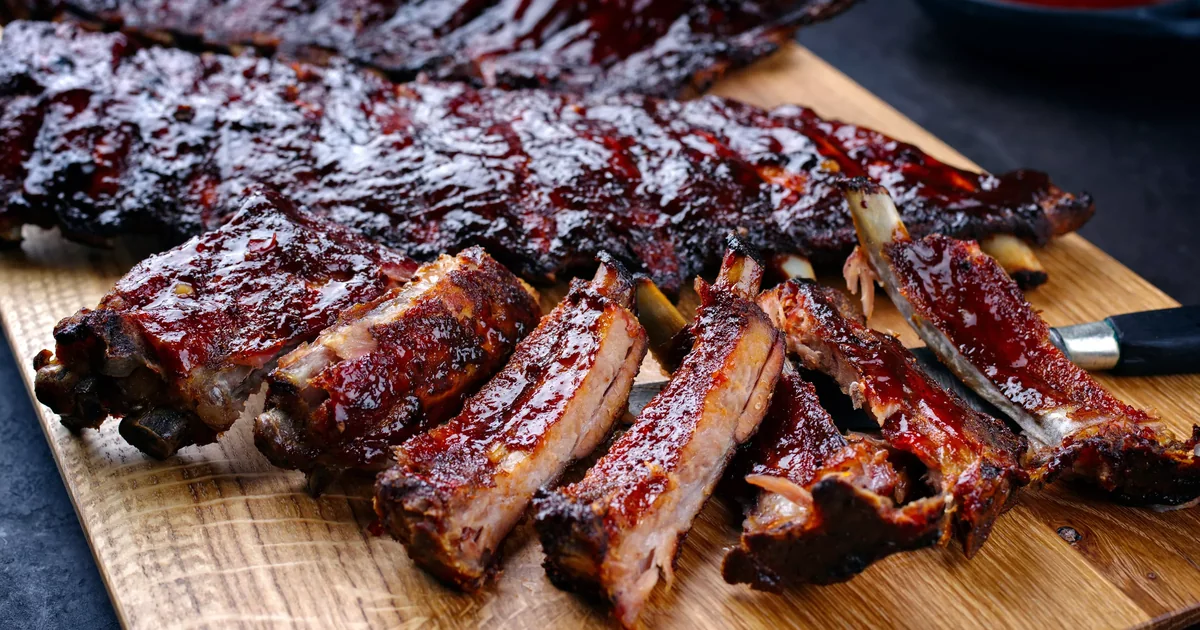
Three hours unwrapped, two wrapped, then one back on the grate. That is the 3-2-1 method. The full schedule suits meaty spare ribs, but leaner racks can turn too soft. This guide shows what each phase is doing and when to shorten it.
The timeline
Run the pit at a steady 225 to 250°F throughout. The numbers name the hours in each phase, in order:
- 3 hours unwrapped, meat side up. The rack rides in clean smoke and dry pit air. This phase does the flavor work: bark forms, smoke builds, and the surface sets. Spritzing lightly in the back half keeps the edges from drying.
- 2 hours wrapped in foil. Wrap the rack tightly, meat side down, often with a little butter, brown sugar, or a splash of liquid. The sealed foil reduces evaporative cooling, traps moisture, and speeds tenderization between the bones. No smoke reaches the meat in this phase, and none is needed.
- 1 hour unwrapped again. Back on the grate, sauced or dry. The surface that steamed soft in the wrap firms back up, and a glaze has time to tack on without burning.
Once the phases are clear, use the Cookout Planner to place them on a dinner timeline.
Why the wrap phase works
During the middle phase, surface evaporation slows the temperature climb. Sealed foil reduces that evaporative cooling and traps moisture while the ribs braise gently in their own rendered fat and whatever you added to the wrap. Ribs can experience this cooling, but the prolonged classic stall is more characteristic of brisket and pork shoulder. Two wrapped hours take the meat from tough to tender more reliably than any other stretch of the cook.
Use foil rather than paper for this method because the sealed packet traps steam. That softens the bark, which is the same tradeoff explained in the paper versus foil guide. The final hour firms it back up.
Built for spares, too much for baby backs
The 3-2-1 schedule assumes a big, meaty rack. Spare and St. Louis ribs need 6 to 7 hours at these temperatures, so the method’s 6-hour total fits that range. Baby backs are smaller and leaner and finish in 4 to 5 hours: a full 3-2-1 drives them well past done into mush. For baby backs, run 2-2-1, five hours total, and even then check early.
The fall-off-the-bone problem
A full 3-2-1 cook often produces fall-off-the-bone ribs. Meat that slides off the bone untouched has gone past the clean-bite tenderness used in competition judging. If your table prefers softer ribs, the method as written delivers them.
If you want a rib that holds together and leaves a bite mark, shorten the wrap: many cooks run closer to 3-1.5-1 on spares, or skip the wrap entirely on a rack that is barking up beautifully. The unwrapped final phase is also your recovery lever, since a firm finish can claw back some of what the steam softened.
Calling them done
Whatever schedule you run, doneness is a feel test, not a timer. Lift the rack with tongs: done ribs bow deeply and the surface cracks between the bones. A toothpick between two bones should slide like it is going into warm butter, which lands around 198 to 203°F if you probe. The full doneness rundown, including timing for every rib cut, is in the rib timing guide. Rest the rack 15 to 20 minutes, slice between the bones, and season the next rack by weight with the rub calculator.
Common 3-2-1 questions
Does the 3-2-1 method work for baby back ribs?
Not as written. Baby backs are leaner and finish in 4 to 5 hours, so a full 3-2-1 overcooks them into mush. Use 2-2-1 for baby backs, and start checking tenderness before the final hour ends.
What do you put in the foil when wrapping ribs?
Common additions are a few pats of butter, a sprinkle of brown sugar, and a small splash of liquid such as apple juice. All are optional: the sealed foil and the ribs’ own rendered fat do the tenderizing work either way.
Is 3-2-1 too long for ribs?
For spare and St. Louis ribs the 6-hour total sits inside their normal 6 to 7 hour window, but as written it lands at or past fall-off-the-bone. For a firmer competition-style bite, shorten the wrapped phase to about 90 minutes and verify with the bend test.
Can I use butcher paper instead of foil for 3-2-1?
Yes, with a milder effect. Paper breathes, so it tenderizes more gently, preserves more bark, and may need a little extra wrapped time. Foil is the traditional choice because the method leans on its full steam effect.
What temperature do you run 3-2-1 ribs at?
A steady 225 to 250°F at grate level through all three phases. The method’s timing assumes that range; a hotter pit compresses each phase and makes the clock unreliable.
Related guides
How Long to Smoke Ribs (Baby Back, St. Louis, and Spare)
Baby back ribs smoke in about 4 to 5 hours, spare or St. Louis in 6 to 7, at 225 to 250°F. The timing by cut, the 3-2-1 method, and how to test for done.
Read the guide ↗Butcher Paper vs Foil: Which Wrap Wins the Texas Crutch
Butcher paper breathes and protects bark; foil seals completely and cooks fastest. When to reach for each, and when to skip the wrap entirely.
Read the guide ↗