
BRISKET · TECHNIQUE
Brisket Fat Side Up or Down? Point It at the Fire
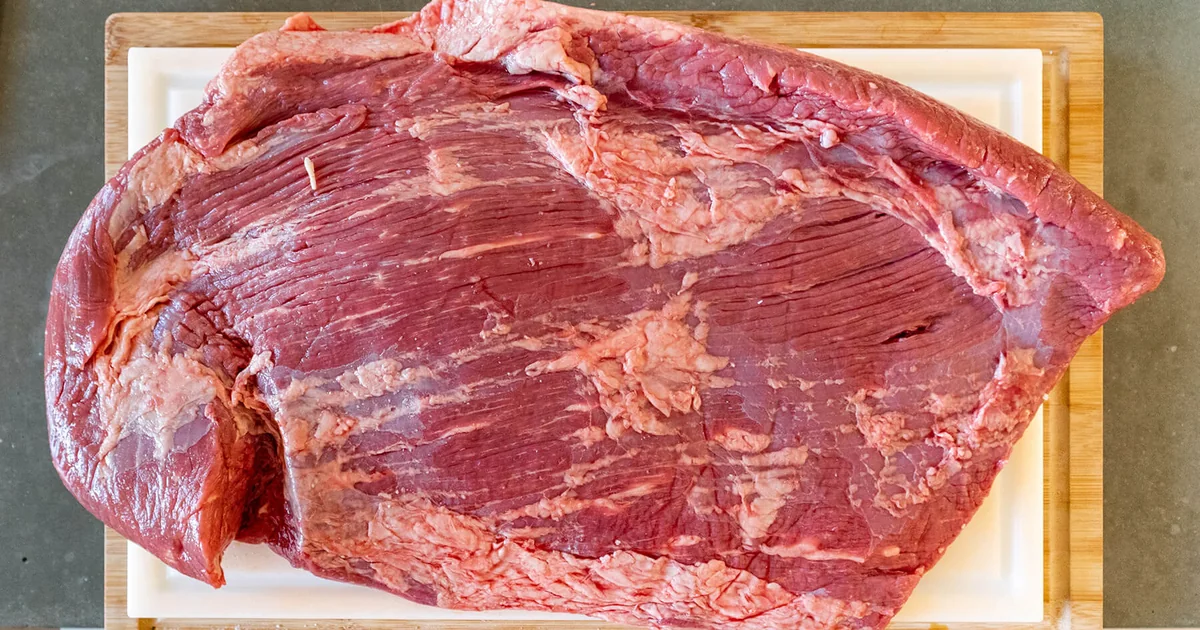
Fat side up and fat side down can both be right because smokers direct heat differently. Use the fat cap as a shield and point it toward the strongest heat in your pit.
The fat cap is a heat shield
A brisket spends 12-plus hours in a hot, dry, moving airstream. The fat cap shields the side facing the strongest heat and can render or scorch before the lean meat does. Point it toward the hottest part of your smoker.
The basting myth
The old case for fat side up is that the cap melts and bastes the meat below. It does not. Brisket muscle is dense, mostly water, and wrapped in connective tissue, so surface fat cannot soak through it. Rendered fat runs down the sides and can take some rub along with it. If the strongest heat comes from below the grate, put the cap down and let it take the hit.
Match the fat cap to your smoker
| Smoker | Where the strong heat is | Fat cap |
|---|---|---|
| Pellet grill | Firepot below the deflector plate | Down |
| Drum smoker | Charcoal basket directly below | Down |
| Kamado | Charcoal below the plate setter | Down |
| Kettle (indirect) | Coals beside and below | Down, cap angled toward the coals |
| Offset | Hot air sweeping the top of the chamber | Up, point end toward the firebox |
| Electric or cabinet | Element below, usually gentle | Down, though it matters least here |
What matters more than this choice
Fat side placement is worth getting right, but it decides a lot less than the arguments suggest. Trim the cap to about a quarter inch so it renders instead of blanketing the meat, hold a steady pit, wrap when the stall sets in, and pull on probe feel rather than the clock, per the brisket internal temp guide. Do those four things and the brisket forgives whichever way the fat was facing. There is also no need to flip a brisket mid-cook: each flip costs pit temperature and risks tearing soft bark, for no measurable benefit.
Common questions about brisket fat cap
Should brisket be fat side up or down on a pellet grill?
Fat side down. A pellet grill’s heat comes from the firepot below the grate, and the fat cap shields the flat from that direct heat. Fat side up on a pellet grill points the armor at the ceiling.
Does cooking fat side up baste the brisket?
No. Melted fat cannot penetrate dense muscle; it runs off the surface and can carry rub with it. The basting story is the classic argument for fat side up, and it does not survive contact with how meat works.
Should I flip my brisket during the cook?
No. Pick the right side for your smoker at the start and leave it. Flipping dumps pit heat, risks tearing the bark once it softens, and provides no benefit that holding a steady fire does not provide better.
How much fat should I leave on a brisket?
Trim the cap to about a quarter inch. That is enough to shield the meat through a long cook while still rendering properly. A full untrimmed cap stays flabby and blocks smoke and rub from reaching the meat on that side.
Related guides
Brisket Internal Temp: When Is Brisket Done?
Brisket is done around 203°F internal, but that number is only half the story. The target temp, why tenderness matters more, and the stall.
Read the guide ↗How Long to Smoke a Brisket: Per-Pound Times That Add Up
Plan about 75 minutes per pound at 225 to 250°F: a 12 lb packer runs about 15 hours. Per-pound times, why small flats break the rule, and when to start.
Read the guide ↗Offset Smoker vs Pellet Grill: Which Is Better for Brisket?
An offset gives brisket the most traditional bark and smoke ring but demands constant tending. A pellet grill holds temp automatically for 12-plus hours.
Read the guide ↗