
TECHNIQUE · FIRE AND AIRFLOW
How to Control Smoker Temperature: Fire and Airflow
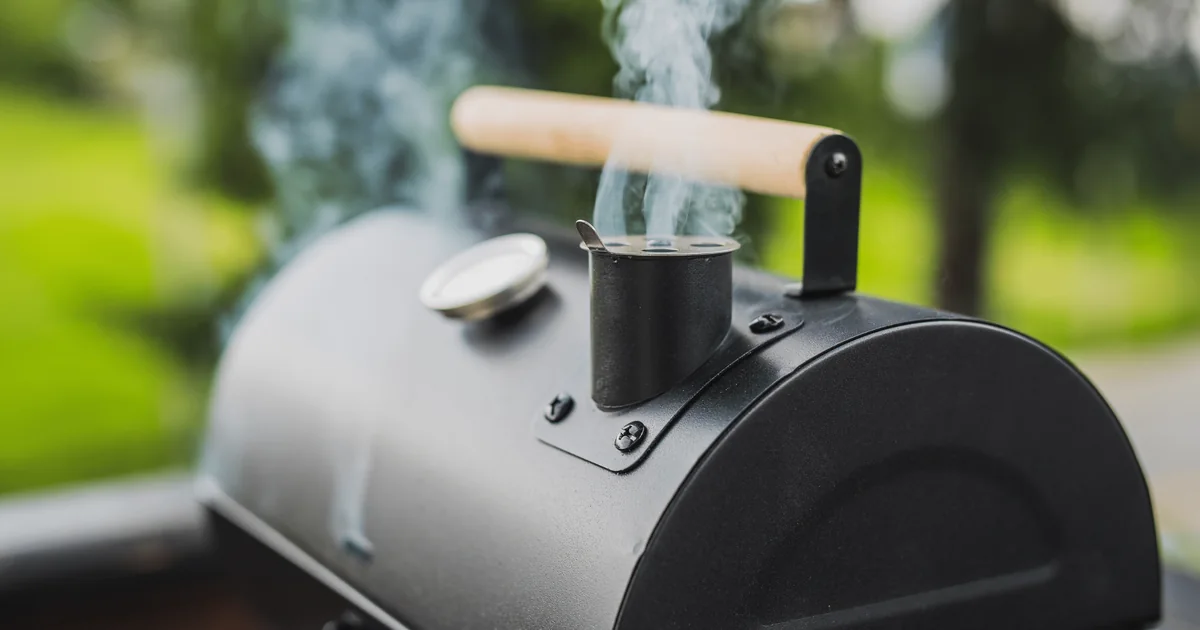
A steady temperature keeps a cook on track, but the control depends on the cooker. Charcoal responds mainly to intake airflow, offsets also need active fuel management, and thermostatic cookers regulate heat through a controller.
Fire needs air, so air is the throttle
A fire needs oxygen, but airflow is only one part of temperature control. On many charcoal cookers, intake vents are the main throttle once the fuel bed is established. An offset also depends on the size, dryness, and placement of its wood fire, so airflow cannot replace adding or adjusting fuel. Thermostatic pellet and electric cookers regulate heat through a controller; manually controlled gas smokers use a burner knob.
Match the control to the cooker
| Control | What it does | How to run it |
|---|---|---|
| Charcoal intake | Feeds air to the coals; the main temperature control | Adjust in small steps and wait for the cooker to respond |
| Offset fire and intake | Fuel size and placement set heat; intake supports combustion | Build a small clean fire, then add or adjust splits as needed |
| Thermostatic cooker | Controller regulates a heating element, burner, or pellet feed | Set the target and follow the cooker’s operating instructions |
| Exhaust | Lets smoke and spent air leave the cooker | Keep a clear exhaust path; there is no universal damper setting |
Fixing a pit running too hot
The vent steps below apply to charcoal cookers. On an offset, use smaller splits or space out fuel additions while keeping a clean-burning fire. On a thermostatic cooker, check its setting and troubleshooting instructions; on a manual gas smoker, adjust the burner.
- Close the intake vent partway and give it 10 to 15 minutes to respond. Vent changes are not instant.
- Do not dump water on the coals to cool it; that makes ash, steam, and a mess. Just cut the air.
- Be patient. A pit that overshot at the start settles once the initial rush of lit fuel burns down and airflow is dialed back.
Fixing a pit running too cold
For charcoal, check airflow and the coal bed as below. An offset may need another dry split and better airflow around the fire. On a controlled cooker, check the setting, fuel supply, and manufacturer’s troubleshooting instructions.
- Open the intake vent to feed the fire more air.
- Check for ash buildup. Ash smothering the coals or blocking the intake is a common cause of a fading fire; clear it so air can reach the fuel.
- Add lit, not cold, fuel if it needs more. Dumping unlit charcoal on a weak fire can drop the temperature further and add acrid smoke while it catches.
After a hot or cold stretch, use Cook Rescue to check what the pit-temperature disruption did to the serving-time schedule.
Start low and climb to your target
It is far easier to raise a cool pit than to cool an overshot one, because a big bed of over-lit coals takes a long time to calm down. Light less fuel than you think you need, let the smoker settle in below your target, and open the intake to climb the last bit into range. See 225 vs 250°F for choosing that target in the first place.
A water pan can slow temperature swings and catch drips in cookers designed to use one, though it also adds a heat load and extra cleanup. The water pan decision guide explains when that tradeoff helps and when a dry cooker is the better setup.
Weather and fuel affect the fire too
- Wind acts like an open vent, feeding the fire and driving temperature up, or stealing heat from a thin-walled cooker. Shelter the smoker from direct wind.
- Placement sets the floor: outdoors only, off porches and out of garages, clear of siding, rails, eaves, and branches. A smoker gives off carbon monoxide, so an enclosed space is never an option.
- Cold ambient temperatures make the pit work harder to hold heat, so expect to run the intake more open on a cold day. Cold cooks also ask for more fuel and a longer plan, and the cold-weather smoking guide works through wind, fuel, and timing when the air is freezing.
- Thermostatically controlled smokers adjust heat automatically, but still need fuel or power and clean working parts. Manual gas smokers need burner adjustments as conditions change. Follow the manufacturer’s clearance and wind-shelter instructions.
Practice holding the pit in range for an hour without chasing every small change. Then follow the first-time smoker guide for a complete cook, from lighting the fire to resting the meat.
Common fire and airflow questions
How do you control the temperature on a charcoal smoker?
On a charcoal cooker, mainly with the intake vent: open it to raise temperature and close it partway to lower it, then wait for the change. An offset also needs active fuel and fire management. A thermostatic cooker follows its controller and manufacturer instructions.
Should I close the top or bottom vent to lower smoker temperature?
On a charcoal cooker, close the intake vent partway and wait. On an offset, reduce or rearrange the fire as needed while keeping combustion clean. On a thermostatic cooker, use its controller. Avoid restricting exhaust enough to trap stale smoke, and follow the cooker maker’s guidance.
Why does my smoker keep getting too hot?
On charcoal, too much intake air or too much lit fuel can cause an overshoot; reduce intake gradually and wait 10 to 15 minutes. On an offset, check the size and feeding rate of the fire. On a thermostatic cooker, check its setting and troubleshooting guidance; a manual gas smoker may need a lower burner setting.
Why is my smoker temperature dropping?
On charcoal, check the intake, ash buildup, and fuel. On an offset, check whether the fire needs a fresh split or better placement as well as enough air. On a thermostatic cooker, check the controller, fuel supply, fire pot or burner, and the manufacturer’s troubleshooting steps.
Related guides
Smoking at 225 vs 250°F: Which Should You Use?
225°F and 250°F are both standard low-and-slow pit temps. The real difference is mostly cook time, not a dramatic change in the result.
Read the guide ↗Charcoal vs Gas vs Pellet vs Electric Smokers: Which Should You Buy?
Charcoal and offset give traditional flavor but need attention. Pellet grills hold steady with less tending. Choose based on how much fire-tending you want.
Read the guide ↗How to Use a Smoker for the First Time
Learn how to run your first smoke: choose a forgiving cut, hold 225–250°F at grate level, expect the stall, check doneness, and rest before serving.
Read the guide ↗