
BEGINNERS · PIT TEMPERATURE
Smoking at 225 vs 250°F: Which Should You Use?
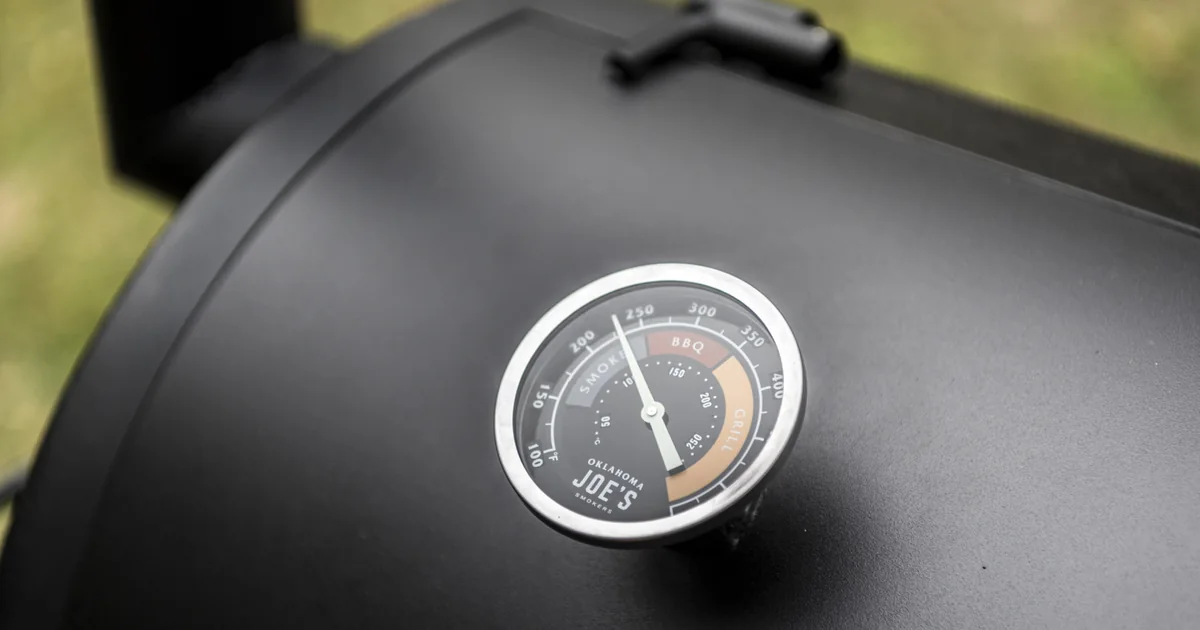
Both 225°F and 250°F work for low-and-slow barbecue. The difference is mostly about cooking time, fuel use, and how much schedule margin you need.
Both are standard low-and-slow temperatures
Classic low-and-slow cuts, brisket, pork butt, ribs, chuck roast, and pork belly among them, are all cooked in a 225 to 250°F range at grate level. Both numbers sit inside the normal range for those cuts. See the full range for every cut, including the hotter ranges used for poultry and quick sears, on the smoker temperature chart.
What changes between 225 and 250
| 225°F | 250°F | |
|---|---|---|
| Total cook time | Longer | Meaningfully shorter |
| Bark and smoke development | Slightly more time to build | Still good, just a bit less time |
| Forgiveness of temperature swings | A bit more margin | A bit less margin |
| Scheduling flexibility | Needs an earlier start | Easier to land at a specific mealtime |
The main difference is time. A brisket cooked at 250°F reaches the same target a few hours sooner. Neither temperature changes the target internal temperature or the need to cook past the stall.
When to pick 225°F
- You have a wide time window and no hard deadline for dinner.
- You want the most margin for error if your fire drifts a little.
- You are chasing maximum bark development on a long cook like brisket.
When to pick 250°F
- You are working against a schedule and need the cook to finish sooner.
- You are cooking a smaller cut where the extra hours at 225°F buy you little.
- Your smoker naturally runs a little hot and holding exactly 225°F is a fight.
The stall does not care which one you pick
Whichever temperature you choose, expect the same stall around 160°F internal. Running at 250°F instead of 225°F does not skip the stall, since it is caused by evaporative cooling at the meat’s surface, not by your pit setting. It can shorten how long the stall lasts, but it will not eliminate it. If you are planning a brisket around a dinner time at either temperature, the brisket start time calculator turns the cook window into clock times.
Either way, cook to the internal temperature and feel, not the clock. See brisket internal temp and pork butt internal temp for the exact numbers to watch for.
Pit temperature and total cook length together set the fuel load. For the cooker-specific starting plan and the signs that it is time to add fuel, see how much charcoal for a long cook.
Common questions about pit temperature
Is 225 or 250 better for brisket?
Both are standard choices. 225°F gives slightly more time for bark and smoke development and a bit more margin for error; 250°F finishes meaningfully faster. Neither produces a dramatically different result.
Does cooking at 250 instead of 225 skip the stall?
No. The stall is caused by evaporative cooling at the meat’s surface, not by the pit temperature setting. A higher pit temperature can shorten the stall somewhat but will not eliminate it.
How much faster does 250 cook than 225?
It varies by cut and conditions, but 250°F meaningfully shortens total cook time compared to 225°F on a long cook like brisket or pork butt. Always use internal temperature and feel to confirm doneness rather than relying on the time difference alone.
What temperature should I smoke ribs, brisket, and pork butt at?
225 to 250°F is the standard range for all three. Either end of that range is a legitimate choice; pick based on how much time you have.
Related guides
How to Control Smoker Temperature: Fire and Airflow
Control charcoal temperature with intake airflow, manage offset heat with fuel and fire size, and let thermostatic cookers regulate themselves.
Read the guide ↗The Meat Stall Explained: Why Smoked Meat Stops Rising in Temperature
The stall is when a brisket or pork butt parks at the same temperature for hours. Why it happens, how long it lasts, and the three ways through it.
Read the guide ↗How to Use a Smoker for the First Time
Learn how to run your first smoke: choose a forgiving cut, hold 225–250°F at grate level, expect the stall, check doneness, and rest before serving.
Read the guide ↗