
BEGINNERS · GETTING STARTED
How to Use a Smoker for the First Time
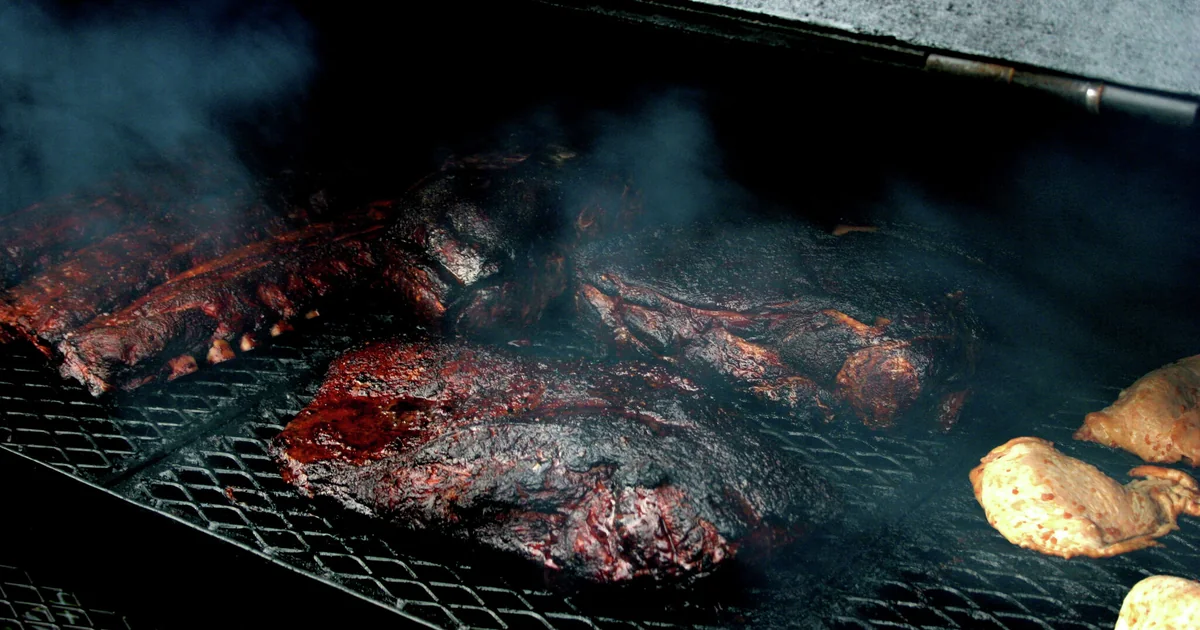
For a first smoke, pick a forgiving cut and hold a steady pit temperature. Use a thermometer throughout the cook, expect large cuts such as pork butt or brisket to stall, then give the meat time to rest before cutting. The steps below take you through the cook in order and point out the usual beginner mistakes.
Pick a forgiving first cut
Some cuts are more forgiving than others. Pork butt is the most forgiving big cut in barbecue: it is fatty enough that a slightly uneven fire or a few extra degrees rarely ruins it. Ribs are a good second choice, since they cook in about half a day and give faster feedback than an overnight brisket. Save brisket, the least forgiving of the classic cuts, for after you have a cook or two under your belt. See pork butt internal temp and how long to smoke ribs when you are ready.
The kind of smoker you are cooking on matters less than the cut here. If you are still choosing one, the rundown on charcoal vs gas vs pellet smokers covers how they differ.
Working with a gas or charcoal grill instead? The grill smoking guide covers the same cooks without a dedicated smoker.
Get the pit temperature right before anything else
Almost every classic low-and-slow cut runs at 225 to 250°F, measured at grate level near the food, not off the dome gauge on the lid. Dome gauges read the air at the very top of the chamber and routinely run well off from what the meat sits in. A separate probe or a leave-in thermometer at grate level is the only way to know your real cooking temperature. See 225 vs 250°F for how to pick between the two. Holding that number steady is its own skill; the walkthrough on how to control smoker temperature covers the vents and adjustments that keep a fire in range.
Trust the thermometer, not the clock
Use the cook times on this site to plan the day, then let the meat set the pace. Two identical cuts can finish 90 minutes apart because of weather, fire management, and how the stall plays out that day. An instant-read thermometer shows whether the meat is done, regardless of what the clock says.
Expect the stall, and do not panic
Somewhere in the middle of a long cook, the internal temperature will climb steadily, then stop moving for a couple of hours or more, usually around 160°F. This is completely normal. First-time cooks who do not know about it often assume the fire died and either crank the heat or panic and pull the meat too early. Neither is right. Check that your pit is still holding 225 to 250°F, and if it is, the meat is doing what meat does.
Keep the lid closed
Every time the lid opens, heat escapes and the cook slows down. The saying "if you’re looking, you ain’t cooking" exists for a reason. Resist checking on a whim; check when the estimated time window says you are getting close, or when a leave-in probe tells you it is time.
Rest before you cut
Resting makes a bigger difference than most first-time cooks expect. Cutting into meat straight off the smoker lets juice run onto the board instead of staying in the meat. Give big cuts at least 30 minutes, ideally closer to an hour or two for brisket and pork butt, wrapped and resting before you cut.
A simple first-cook checklist
- Pick a forgiving cut. Pork butt or ribs, not brisket, for cook one.
- Get an instant-read thermometer. Use it to check doneness instead of guessing by time.
- Hold 225 to 250°F at grate level, and check it there, not on the dome gauge.
- Start earlier than you think you need to. A cook that finishes early can rest and hold; one that runs late cannot be rushed without hurting the result.
- Expect the stall. Do not raise the heat or panic when the temperature plateaus.
- Rest before cutting. It makes a bigger difference than you expect.
For the few tools that matter on a first cook, see the starter kit guide. And if you would rather have a cook-day plan than a checklist, the printable Command Packs lay one cut’s whole timeline out on a single page.
Common first-smoke questions
What should I smoke for my first time?
Pork butt is the most forgiving first cook because its fat content covers up small mistakes. Ribs are a good second choice since they finish in about half a day, giving faster feedback than an overnight brisket.
Do I need to watch the smoker the whole time?
Not the lid, but do not leave the cooker. Keep the lid closed and let a leave-in probe do the checking, because opening it repeatedly bleeds heat. Stay near a lit smoker all the same: a fire that dies, a flare-up, or a hopper that runs dry each need somebody there, and a dropped fire is also how a first cook stalls.
Why is my first smoke taking longer than the recipe said?
Cook times are planning ranges, not guarantees. The stall, weather, and how well your pit holds a steady temperature all affect the real finish time. Trust a thermometer over the clock.
What temperature should a beginner smoke at?
For classic low-and-slow cuts like pork butt, ribs, and brisket, hold 225 to 250°F measured at grate level, not the dome gauge. That range is standard and forgiving for a first cook.
How long should I rest meat after smoking?
Rest big cuts like brisket and pork butt for at least 30 minutes, and ideally an hour or two. Skipping the rest is one of the most common ways a first cook goes wrong.
Related guides
Do You Need a Thermometer to Smoke Meat?
Yes, a thermometer is close to essential for smoking meat. Why the built-in dome gauge is not enough, and what a real thermometer gets you.
Read the guide ↗The Meat Stall Explained: Why Smoked Meat Stops Rising in Temperature
The stall is when a brisket or pork butt parks at the same temperature for hours. Why it happens, how long it lasts, and the three ways through it.
Read the guide ↗Charcoal vs Gas vs Pellet vs Electric Smokers: Which Should You Buy?
Charcoal and offset give traditional flavor but need attention. Pellet grills hold steady with less tending. Choose based on how much fire-tending you want.
Read the guide ↗