
TECHNIQUE · NO SMOKER NEEDED
How to Smoke Meat on a Gas or Charcoal Grill (No Smoker Needed)
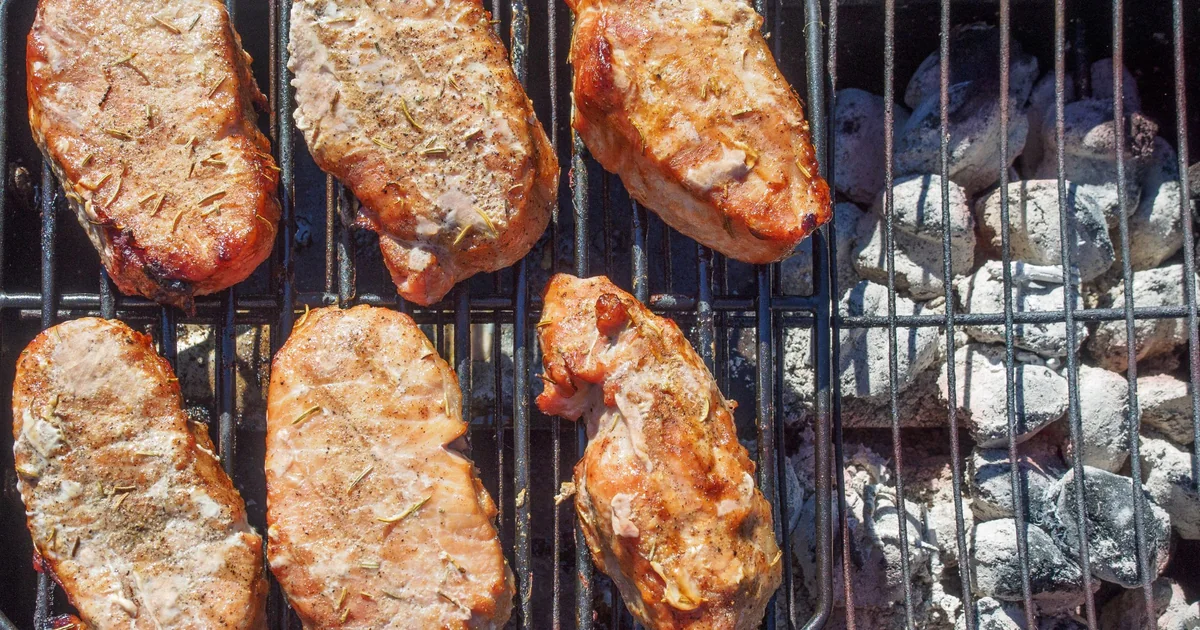
You do not need a dedicated smoker to start. A charcoal kettle or gas grill with a lid can cook with indirect heat and smoke when you set it up correctly.
The one concept that makes it work: two zones
Grilling is direct heat: food sits right over the flame and cooks fast and hot. Smoking is indirect heat: food sits beside the fire, not over it, and cooks slowly in trapped, smoky air with the lid down. Converting a grill into a smoker means building a two-zone fire, a hot side with the fuel and a cool side with the food, then keeping the lid closed so the chamber behaves like a smoker.
On a charcoal grill (kettle or similar)
- Bank the coals to one side. Light a chimney of charcoal and pour it against one side of the grill, leaving the other half empty.
- Add a wood chunk or two directly on the coals for smoke.
- Put the food on the empty side, away from the coals, and close the lid.
- Set the vents. Position the top (exhaust) vent over the food so it pulls smoke across the meat, and use the bottom (intake) vent to control temperature.
On a gas grill
- Light only the burners on one side. Leave the other side off; that off side is where the food goes.
- Add wood in a smoker box or foil pouch. Set it over a lit burner. For a pouch, wrap chips in foil and poke a few holes in the top to let smoke out.
- Put the food over the unlit burners, close the lid, and adjust the lit burners to hold your target temperature.
Gas gives you easier temperature control but a milder smoke flavor, since it does not burn wood as its main fuel, the same tradeoff covered in the smoker types comparison.
Hold 225 to 275°F, and use a water pan
Aim for a grate-level temperature of 225 to 275°F, the standard low-and-slow range, measured with a real probe rather than the lid gauge, which usually reads high. A pan of water on the cook adds thermal mass that steadies the temperature and keeps the air humid, which helps on a grill that holds heat less evenly than a purpose-built smoker.
What a grill does well, and what it does not
- Great for: ribs, chicken, wings, pork tenderloin, tri-tip, and other shorter cooks that fit comfortably on the indirect side.
- Harder: very long cooks like a full packer brisket, which strain a small chamber and need frequent fuel tending on charcoal.
- Always outdoors, always attended: a lit grill stays outside and in sight, clear of siding, rails, eaves, and branches, with children and pets at least three feet back. Never burn charcoal in a garage or any enclosed space, because it gives off carbon monoxide.
- The main limits are capacity and how long you can hold a steady fire.
Starting on a grill is a smart, low-cost way to learn before committing to a dedicated cooker. Pair this with the first-smoke walkthrough and pick a forgiving cut to start.
Common questions about smoking on a grill
Can you smoke meat on a regular grill?
Yes. Any charcoal or gas grill with a lid can smoke if you set up a two-zone indirect fire, keeping the fuel on one side and the food on the other, add wood for smoke, and hold 225 to 275°F with the lid closed.
How do you smoke on a gas grill?
Light only the burners on one side, put wood chips in a smoker box or foil pouch over a lit burner, place the food over the unlit burners, close the lid, and adjust the lit burners to hold your target temperature.
Do you need wood chips or chunks to smoke on a grill?
Yes, the smoke flavor comes from the wood. Use chunks on a charcoal grill placed directly on the coals, or chips in a smoker box or foil pouch on a gas grill.
What is the snake method?
A way to get a long, steady burn on a charcoal grill: arrange unlit coals in a C-shaped line around the edge and light one end, so the fire slowly burns along the line for hours without rebuilding it.
Related guides
Charcoal vs Gas vs Pellet vs Electric Smokers: Which Should You Buy?
Charcoal and offset give traditional flavor but need attention. Pellet grills hold steady with less tending. Choose based on how much fire-tending you want.
Read the guide ↗How to Use a Smoker for the First Time
Learn how to run your first smoke: choose a forgiving cut, hold 225–250°F at grate level, expect the stall, check doneness, and rest before serving.
Read the guide ↗How to Control Smoker Temperature: Fire and Airflow
Control charcoal temperature with intake airflow, manage offset heat with fuel and fire size, and let thermostatic cookers regulate themselves.
Read the guide ↗